Compare Local Contractors for Interior Trim Service Success
Compare local contractors to define project scope, verify experience, and set clear expectations for your interior trim service.
Interior trim services encompass a range of work focused on enhancing the aesthetic appeal and functionality of interior spaces. This typically includes installing or replacing baseboards, crown molding, door and window casings, wainscoting, and other decorative or finishing elements that frame rooms and architectural features. Proper trim work can add character to a home or commercial property, improve transitions between surfaces, and contribute to the overall design cohesion. When planning for interior trim projects, understanding the scope of work-such as the types of trim needed, the complexity of the design, and the areas involved-is crucial for ensuring the project meets expectations.
Defining the scope of interior trim work is an essential step in working with service providers. Clear communication about what needs to be done helps prevent misunderstandings and ensures that contractors are aligned on project details. Property owners should specify the types of trim, materials preferred, and any architectural styles they want to incorporate. Documenting these details in writing creates a reference point throughout the project, making it easier to verify that the work is progressing according to plan. A well-defined scope also helps in comparing different contractors, as it allows for more accurate assessments of their experience and approach to similar projects.
When evaluating local contractors for interior trim services, property owners can consider several practical factors. Comparing experience with similar projects provides insight into each provider’s familiarity with the work involved. Reviewing portfolios or examples of completed work can reveal the quality and style of craftsmanship. It’s also helpful to verify that contractors understand the scope of the project and can provide detailed proposals or written descriptions of their approach. Asking for references or checking reviews can offer additional perspectives on reliability and professionalism. By focusing on these aspects, property owners can make informed decisions and select service providers best suited to achieve their interior trim goals.
Compare local contractors by outlining project priorities, verifying experience, and documenting scope and expectations clearly.
- Experience Verification - Check the background and portfolio of local contractors to ensure their expertise in interior trim services.
- Scope Definition - Clearly outline the project details and expectations to help compare different service providers effectively.
- Written Agreements - Ensure all project specifics, including materials and work scope, are documented in a formal agreement.
- Comparison Factors - Evaluate contractors based on experience, reputation, and the clarity of their proposals to make informed choices.

Clearly describe your interior trim project to help local contractors understand your needs and compare their expertise.
- Verify experience and expertise in installing various types of interior trim to ensure quality workmanship. Compare the scope of services offered to confirm they cover the specific trim details needed for the project.
- Review contractor portfolios or references to assess the quality of previous interior trim work completed. Ensure the service provider clearly defines the scope of work and materials to be used in writing.
- Check that the contractor understands and can meet the desired design style and finish for the interior trim. Confirm the contractor provides detailed written estimates that outline the project scope and materials.
- Assess communication clarity and responsiveness to ensure expectations are properly set and documented before work begins. Verify that the contractor has experience working with the specific interior trim styles and materials involved in the project.
- Ensure the scope of work includes preparation, installation, and finishing details to prevent misunderstandings during the project.
Compare local contractors, clarify scope, verify experience, and set clear expectations in writing.
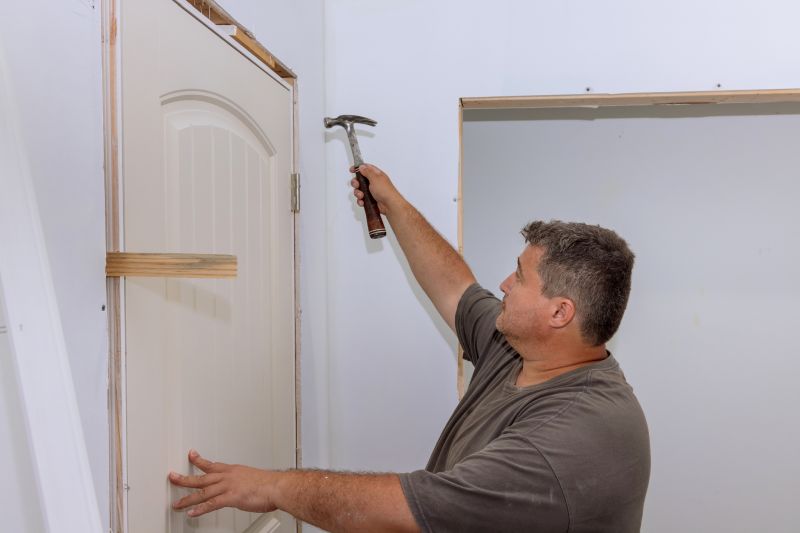



Use clear, consistent scope definitions and verify experience to accurately compare local contractors for interior trim projects.
- Scope Definition - Clearly outline the specific interior trim services required, including types of trim and areas to be addressed.
- Material Selection - Specify the materials, finishes, and styles desired for the trim to ensure alignment with project expectations.
- Experience Verification - Confirm that local contractors have relevant experience with interior trim installation and finishing tasks.
- Work Scope Documentation - Document the detailed scope of work in writing to prevent misunderstandings and ensure all aspects are covered.
- Project Expectations - Establish clear expectations regarding quality standards, craftsmanship, and completion criteria for the interior trim service.
When comparing contractors for interior trim services, it’s important to evaluate their experience with similar projects. Homeowners should seek service providers who have a proven track record of completing interior trim work comparable in scope and style to the desired outcome. Asking about past projects or requesting references can help verify whether a contractor’s expertise aligns with the specific needs of the home. This focus on relevant experience can provide confidence that the contractor understands the intricacies involved in achieving a polished, professional result.
A clear, written scope of work is essential when assessing interior trim contractors. Homeowners should look for service providers who can provide detailed descriptions of the work to be performed, including materials, finishes, and the extent of the trim installation or finishing. Having this information documented helps ensure that both parties share the same expectations and reduces the potential for misunderstandings. A well-defined scope also serves as a foundation for evaluating the professionalism and thoroughness of each contractor.
Verification basics involve confirming that contractors have the necessary background to handle interior trim projects effectively. This includes reviewing their experience, checking references, and understanding their process for managing the work. Homeowners should inquire about the steps a contractor takes to ensure quality, such as site supervision, adherence to specifications, and handling of potential issues. While licensing and certification are not the focus here, verifying a contractor’s familiarity with industry standards and best practices can help identify service providers capable of delivering consistent results.
When evaluating options, it’s helpful to compare how each contractor approaches the project scope and their communication style. Homeowners should seek service providers who are transparent about their methods and willing to provide detailed proposals. It’s also wise to ask about how they plan to coordinate the work and handle unforeseen challenges. Focusing on the clarity of the scope, the contractor’s experience with similar projects, and their communication approach can assist in selecting a dependable professional who aligns with the homeowner’s expectations for quality and professionalism.
Ask contractors to provide written scope details to ensure clear expectations and consistent project understanding.
- Experience and Portfolio - What types of interior trim projects have local contractors completed similar to this scope?
- Materials and Finishes - Which materials and finishes do local service providers recommend for the desired interior trim style?
- Scope of Work - How do local contractors define and document the specific tasks included in the interior trim service?
- Work Approach - What methods and techniques do local pros use to ensure quality and consistency in interior trim installation?
- Communication and Expectations - How do local service providers clarify project expectations and address potential scope changes in writing?
How can I compare interior trim contractors effectively? Comparing contractors involves reviewing their experience, checking references, and verifying their scope of work to ensure they meet project requirements.
What should I consider when defining the scope of interior trim work? Clearly outlining the types of trim, areas to be worked on, and specific design preferences helps ensure contractors understand the project expectations.
How do I verify a contractor’s experience with interior trim services? Request examples of previous projects, ask about their background in similar work, and seek references to assess their expertise and reliability.
Why is it important to get written estimates and scope agreements? Written documentation helps set clear expectations, prevents misunderstandings, and provides a record of the agreed-upon work details.
What questions should I ask a contractor before hiring for interior trim? Inquire about their experience, the materials they recommend, their process for managing the project, and how they handle potential issues or changes.
How can I ensure the contractor understands my design preferences? Communicate your vision clearly, provide reference examples if possible, and confirm that the scope and details are documented in writing before work begins.
This page has provided an overview of how to effectively compare interior trim service providers, including defining the scope of work, verifying experience, and setting clear expectations in writing. By understanding these key points, visitors can approach their project with greater confidence and make informed decisions when selecting a contractor. To explore available options and find the right fit, use the quote form to connect with local contractors who can handle the job.